|
|
|
|
Happy March! In the spirit of spring cleaning, we’re dusting off a few big questions: How much is too much for a restaurant delivery fee? What does it actually take to build a training program that creates your dream team? And what happens when an entire city bands together to beat the slow season?
Let’s dig in.
|
|
|
|
 |
Delivery fees |
 |
Training talks! |
 |
The blueprint for servers + dishwashers |
|
|
|
|
Channeling our inner Squidward… but instead of dusting floors, we’re dusting off the training playbook with some expert insights. Read on for more.
|
|
 |
BY THE NUMBERS
|
|
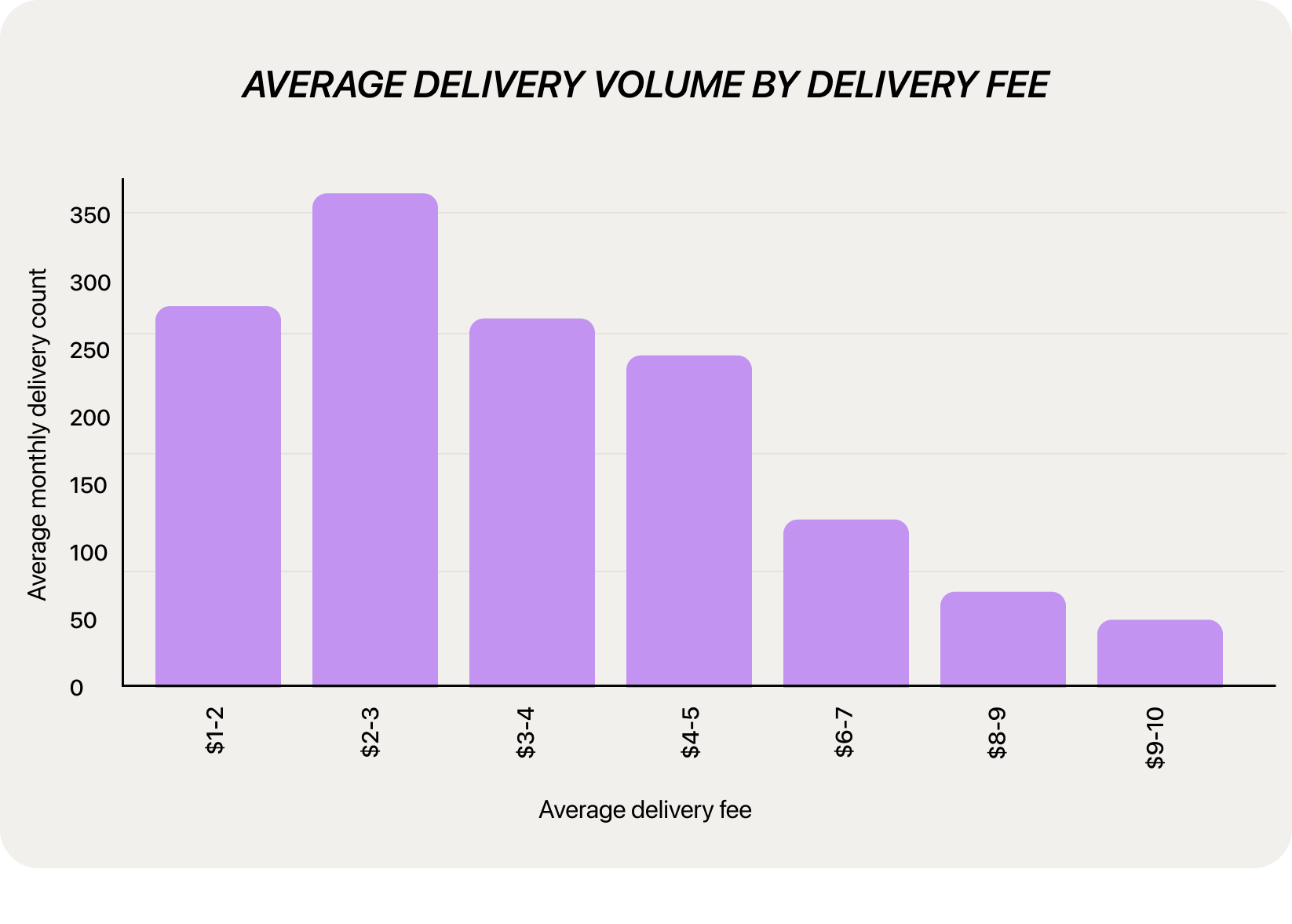
What’s the best amount to charge for restaurant delivery? A study from Cornell University breaks it down:
|
 |
$4
The sweetspot, where delivery feels like a fair convenience fee. |
|
 |
$7
The point where conversion rates drop sharply (and customers abandon cart). |
|
|
Shipday found similar results when looking at the relationship between delivery volume and fees, with locations charging between $2 and $4 seeing the strongest demand:
|
|
|
 |
STORIES FROM THE FLOOR
|
|
Training can make or break a team––and the best operators know it doesn’t stop after day one.
That’s why we sat down with Melanie Isola, Associate Director of Customer Success at Opus Training, who brings more than a decade of hands-on restaurant and training experience, to unpack what really separates good training from great.
|
🎯 On setting training priorities (aka: step one)
Melanie: “I think it all starts with a business really understanding its priorities… Are you a restaurant that prioritizes dine-in, catering, takeout, or drive-thru? Do you know what you’re optimizing for? Does your team know what you’re optimizing for? You can’t create training if you don’t know what you would prioritize in that situation, because your teams have no idea what to prioritize.” “Chick-fil-A is a great example of this. They have some of the slowest drive-thru times, but people don’t see them that way. They actually see them as having one of the best drive-thrus in the industry because they know for them, it’s all about friendliness––and that’s what they’re prioritizing.” And she’s blunt about a common trap: “A lot of restaurants, they think there are 8 billion people in this world, and all 8 billion people need to eat… and that means all 8 billion people are their customers––no. Know who you’re designing your restaurant for, know who you’re designing your operations for. Go after them, and really tailor the experience for them.” She adds that the core function of a manager includes asking (and answering) these two questions:
- Have we told our team what we expect of them every day?
- Are we managing them to achieve that?
|
|
🧠 On training for what matters most
Melanie: “You need to be able to break down that goal of ‘I need my team member to be trained within X days’ into specific learning objectives. And it’s really about how do I chip away at this bigger goal by hitting these smaller pieces?”“What are the main things that someone needs to know to be on their own? They don’t need to memorize every single wine by the glass. They just don’t need to memorize every single prep item that they’re making in the kitchen because they can reference that material over time. What do they actually need to know? They need to know the priorities of your business––who you are, and why you want them to do certain things.”“If I could tell every [training manager] to do one thing, it is teach upfront what you need them to know to be successful on their first day, and then give them time to learn the rest over time. And know that you’re creating an environment where if they had a question or they couldn’t answer a question for a customer, they’re gonna be able to say, ‘Hey, I’m gonna be right back. Let me go get more information for you.’ And they can resource that.” Whether that’s a quick-reference guide, a menu cheat sheet, or a colleague—the point is they know where to look.
|
|
🏋️ On the lack of *practice* in restaurant training
Melanie: “The working world is one of the few places where we don’t get to practice. Like professional sports athletes get to practice every day. Why don’t we get to in the hospitality industry? Now, there needs to be things that are committed to memory over time or immediately… but not everything, and not all at once.”“In hospitality, we talk a lot about 30, 60, 90-day programs, right? So what’s the need to know at 30 days? What’s the need to know at 60 days? What’s the need to know at 90 days? I think it becomes a really good way to structure ongoing training.”
|
🔄 On why training is never finished
Melanie: “You should never set-and-forget your training program. When I provide program-building spreadsheets for people, I usually put a refresher cadence of when we should come back to it as either every six months or every year. I think a year––at minimum––your teams might have changed, the structure of your team might have changed… Your knowledge, your skill, and your cultural gaps are different from what they used to be. All of those things you should constantly be reevaluating.”
|
📊 On measuring the success of training
Melanie: “Being as specific as you can be with what you’re trying to achieve is gonna be best––and tracking at the beginning and at the end. So we see this a lot where you’re not taking the temperature of where the business is at before you start a new program, so you actually can’t see growth, or you can’t see where it didn’t succeed. It’s really important to actually track against it.”
She adds that oftentimes, restaurants are looking for answers to the same few questions:
- Can we get our sales up?
- Can we get our costs down?
- Can we get our guest feedback scores higher?
- Can I reduce turnover?
“But your training data is really gonna tell you who’s completing this data. How long is it taking them to complete training? What’s their accuracy in the quiz questions that I’m providing? Are those questions too easy? Are they too hard? Training data is a leading indicator. It’s not gonna tell you that your sales are increasing. It’s gonna tell you you’re on your way to getting there. So I think also it’s about understanding which training data ties back to those larger business goals that you have, and really making sure that you’re really specific about what your goals are.”
|
|
 |
QUIET ON SET
|
|
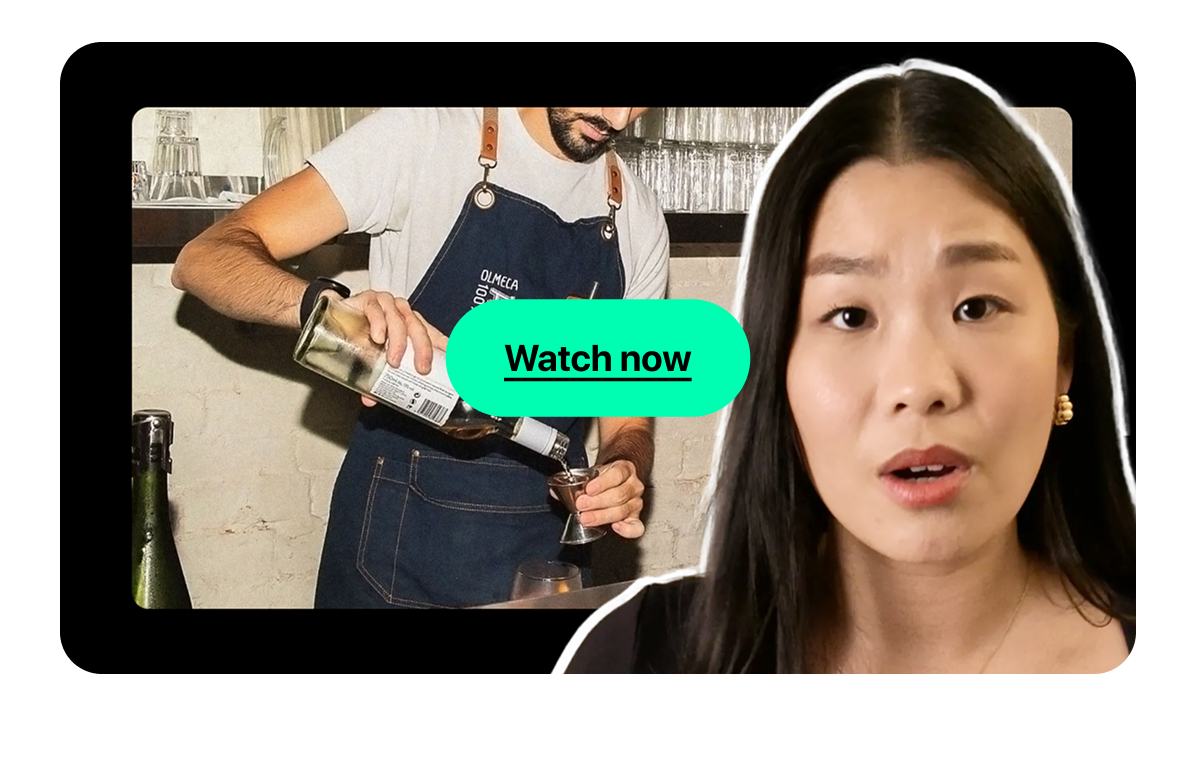
Check out these videos based on Melanie’s expertise, featuring Melanie herself! Together with Sam Fung, they break down practical training plans for two specific restaurant roles on the 7shifts YouTube channel:
🍽️ How to train a server
What’s the 70–20–10 training method for servers? We break down the breakdown and share tips on scenario-based training to help servers practice real-life situations… before they happen.
Free download: Server training plan
|
|
|
💧 How to train a dishwasher
Training a dishwasher takes more than a quick tour and a pair of gloves. We walk through a simple five-day training plan, including what should be taught hands-on and what can live in SOPs for easy reference.
Free download: Dishwasher training plan
|
|
|
|
 |
À LA CARTE
|
|
|
|